Back to free resources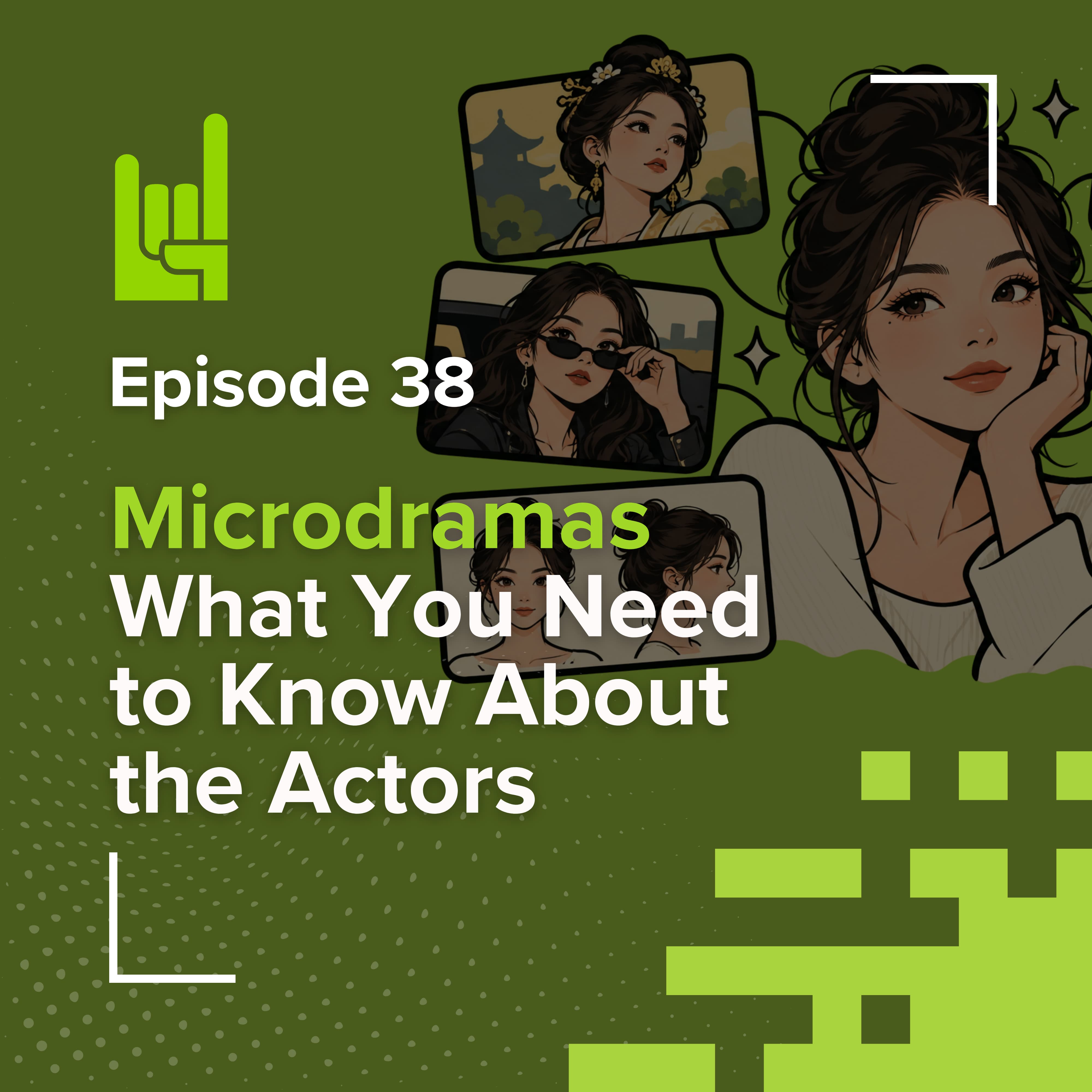
Microdramas and how we create them
AI-generated microdramas are changing how stories are produced—and redefining what an “actor” actually is. From synthetic characters and persistent digital identities to consent, provenance, and character consistency, this article explores how AI-first productions can build believable, reusable casts at scale.
In this episode, we dive into how AI-generated microdramas are changing not only how stories are produced, but what it actually means to “cast” an actor. As generative video makes it possible for small teams to create entire fictional series without traditional cameras, locations, or performers, a new challenge emerges: building digital characters that remain consistent, verifiable, reusable, and legally usable across different AI platforms.
Key Takeaways:
Cast Before You Scale: Before writing a 50- or 100-episode microdrama, test whether your main characters can actually be generated consistently, animated, voiced, authorized, and moved through your intended production stack.to expand capability and create better paths into work, it has a chance to be embraced.
Actors Are Becoming Identity Assets: In AI filmmaking, an actor can be a reusable digital asset made up of a face, body, voice, wardrobe, expressions, reference images, and generation history.
Consistency Is Only Part of the Challenge: Creating the same character across dozens or hundreds of scenes requires more than good prompting; creators need persistent identities and carefully managed reference assets.
Provenance Matters: AI platforms increasingly need to know where a character came from and whether its likeness is synthetic, licensed, or based on a real person with consent.
Different Actor Architectures: Productions can use fully synthetic actors, platform-provided characters, persistent AI identities such as Soul ID, authorized human performers, or emerging verified self-avatars.
Build an Actor Bible: Serious AI productions should document canonical images, voices, origins, rights, generation history, and platform versions so characters can remain reproducible and portable.